
An Article by A. V. (1044 words, 5 min. read)
The newly published retrospective volume on the œuvre of Jamil Molaeb (b. 1948), issued by KAPH publishing house, under the elegant writing and meticulous research of Carine Chelhot Lemyre, is more than a catalogue of artworks. It is itself a piece of art, reflecting the spirit of the artist. From its distinctive canvas-bound cover to its carefully structured pages, the book embodies the world of Molaeb, a world where nature, memory, and humanity find their voice in painting, sculpture, drawing, print, and engraving. This inaugural retrospective is indeed a celebration of his career but also a profound testimony to a lifetime devoted to art.

A Thematic Journey Through Seven Worlds
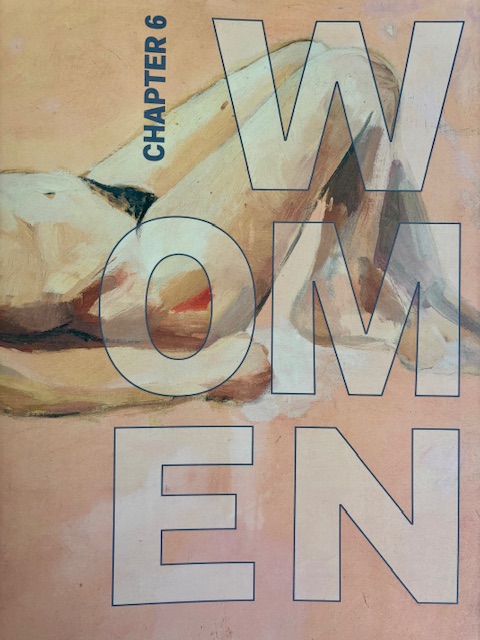
Rather than following a strict chronology, the book unfolds thematically, allowing readers to experience the full depth and range of Molaeb’s artistic universe. Each chapter sheds light on a distinct aspect of his work: his formative beginnings and academic foundations; the stark and expressive war drawings and woodcuts; his explorations into abstraction; the vibrant depictions of village life in Baissour; his dialogue with nature; his portrayals of women; and his richly symbolic cityscapes, from Beirut to Jerusalem, Fez, and Baalbeck.


The richness of this journey shows that engaging with Molaeb’s art is like encountering multiple artists at once, each exploring different subjects, techniques, and sensibilities, yet all united by a singular vision.

The Beauty and Power of His Art
What makes this retrospective truly moving is the way it reveals Molaeb’s mastery across so many forms. His early stone sculptures carry the weight of earth itself, while his woodcuts and engravings transform raw material into lyrical lines of history. His nudes breathe with intimacy and dignity, far from academic exercises, and his paintings of nature and village life radiate a deep belonging to his homeland. The abstractions are outstanding, vast, vibrant compositions where color and form become pure rhythm, offering a window into the essence of his vision. The cities he painted, from Beirut to Jerusalem, glow with vivid colors and intricate details, each canvas becoming a living map of memory and culture. Every work carries his unmistakable touch: bold, expressive, and at the same time deeply human.

As Molaeb himself once said: “I paint like I eat and drink, like I breathe. Since my early childhood, art, for me, was an answer to my existential questions. It was a necessary activity to soothe my wandering soul.”


The Humility of a Master
Retrospectives carry a special weight. They are meant for a certain time in an artist’s life, when the years of work have ripened into a legacy, when the œuvre speaks with the full voice of maturity. This is why the retrospective of Jamil Molaeb feels so profoundly moving: it is a book born of decades of relentless creativity, discipline, and reflection.
In contrast, nowadays, we often see young artists publishing oversized and overinflated ego-boosting volumes of their work, projects that many times feel bluntly premature. Some of these books are often sold at extravagant prices, and circulated far from the true collectors or even the museum context. And some, unfortunately lack the depth or refinement of a true artistic reference. Not this book, a true masterpiece that reflects the true nature of the artist, and is as humble as it is imposing.

Molaeb reminds us what a true retrospective should be: a life distilled into art, presented with wisdom and humility. Equally striking is the generosity of the artist. While such a book could easily be priced as a luxury object, this volume is available for a modest and easily attainable price, though its worth is far greater. It is initially offered not in elite commercial channels but at the Sursock Museum boutique, where it belongs, as part of a living cultural heritage. This gesture reflects Molaeb’s respect for his audience and his commitment to making his legacy accessible. He gives not only his art but also his vision, sharing it openly with future generations. The book will eventually be distributed in Beirut, Europe and the USA, and will earn its worldwide reach, and we truly think it belongs in every refined home, and should be used as a reference in publishing houses as to how worthy retrospective art books should be made.


A Conversation Across Generations
The book’s epilogue includes a remarkable dialogue between Jamil and his son, Ribal Molaeb, himself a distinguished painter and internationally acclaimed viola player. Their exchange is both intimate and revealing, combining personal memory with reflections on art, life, and heritage. It offers readers a deeper understanding of the artist’s journey, as well as the family’s shared devotion to creativity. It also highlights individual independence while preserving the respect between father and son. A very welcomed added touch which offers the reader a window into the dynamics of a respectful family.

A Museum in Print
Nearly all the works featured in the book come from the artist’s private collection which is destined for the Jamil Molaeb Museum in Baissour, Mount Lebanon. This ensures that the artist’s legacy will endure not only in the physical museum but also through this publication, which extends his vision to a global audience. Edited with care by Ribal, the book carries the intimacy of a family project while presenting the rigor of a scholarly retrospective.


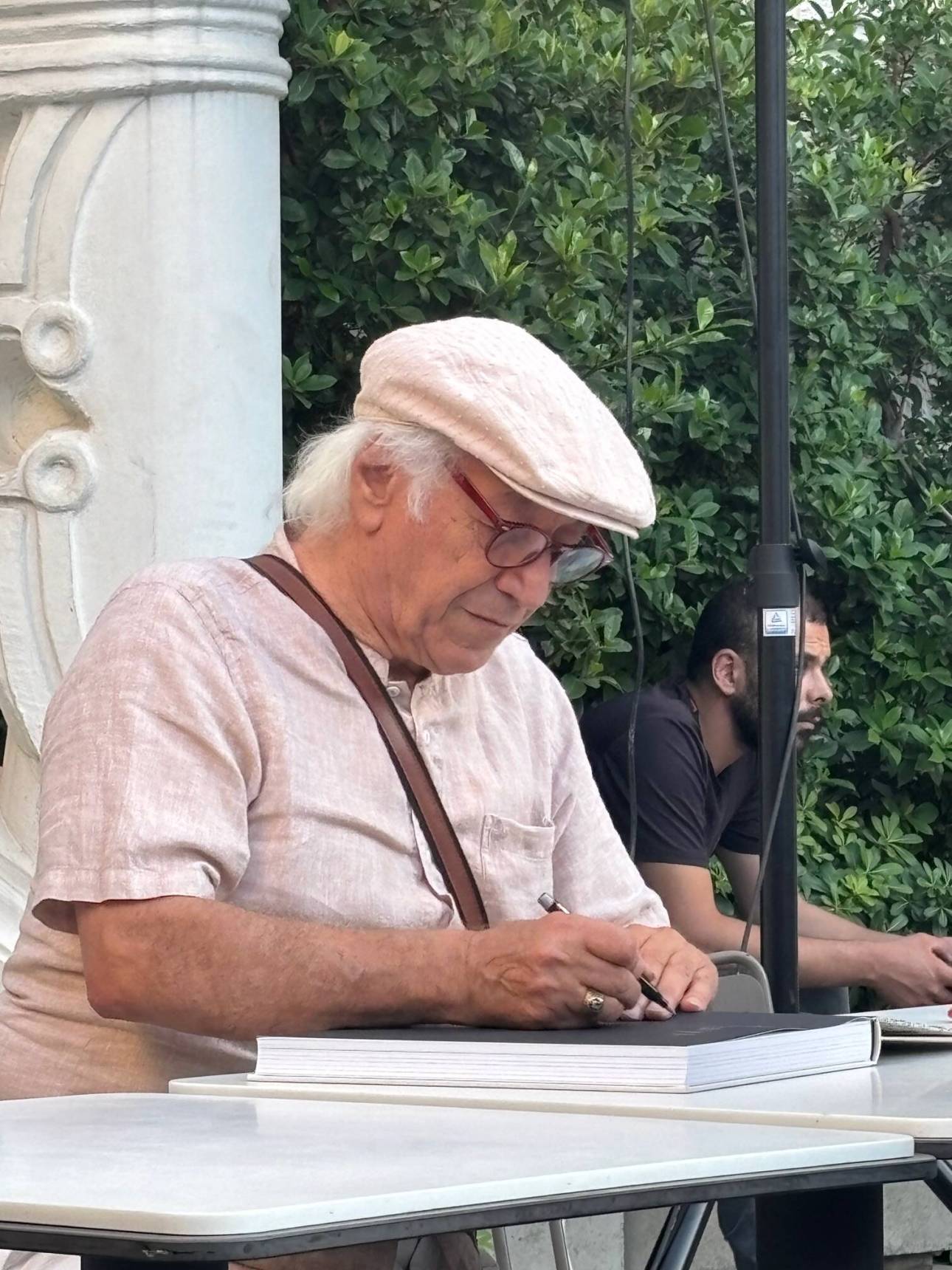
The launch of the book was marked by a signing event at the Sursock Museum on August the 20th, 2025, a fitting location given Molaeb’s longstanding relationship with the institution, where he was honored in the Salon d’Automne early in his career.

A Legacy Preserved
This retrospective does more than recount the career of one of Lebanon’s most important modern artists. It secures Jamil Molaeb’s place in the history of Arab art, while giving readers the chance to encounter his profound humanity. As he beautifully put it: “Executing a piece of art is an adventure, you cannot predict the fate or the results of your work, you have to believe in it. If you start with your origins, you can build your visual language backed by your heritage, and from there, your art can reach the world.”


The book is a legacy preserved, a museum in print, and above all, a work of art in itself deeply touching, deeply generous, and deeply necessary.